
Web design basics,
taught without shortcuts
You don't need to already know things. You just need a place where someone explains them honestly — layouts, spacing, color, typography — step by step.

How pricing works here
No hidden fees, no vague "contact us for pricing." Here's exactly what each format costs and what's included.
- Small groups, max 8 people
- Live Q&A each session
- Shared feedback channel
- Session recordings included
- 1-on-1 sessions with instructor
- Personalized learning path
- Portfolio review sessions
- Homework with detailed feedback
- Any topic, any skill level
- Code or design review
- No subscription required
- Booking via Telegram
What students notice along the way
Not outcomes — the actual texture of learning. What happens when a concept finally clicks.
That moment spacing stops being guesswork
Most students realize around week 3 that they've been centering things by eye — and that there's a system underneath it.
Seeing real sites differently
After learning grid systems, students start noticing column structures on every page they visit. It's a bit like learning a new word and suddenly hearing it everywhere.
Building something that didn't look embarrassing
The first project that actually looks intentional rather than accidental. That's usually the point where students start thinking seriously about continuing.
Asking better questions
Over time, what changes isn't just skill — it's the quality of what you don't understand anymore. Confusion becomes more specific, which is its own kind of progress.
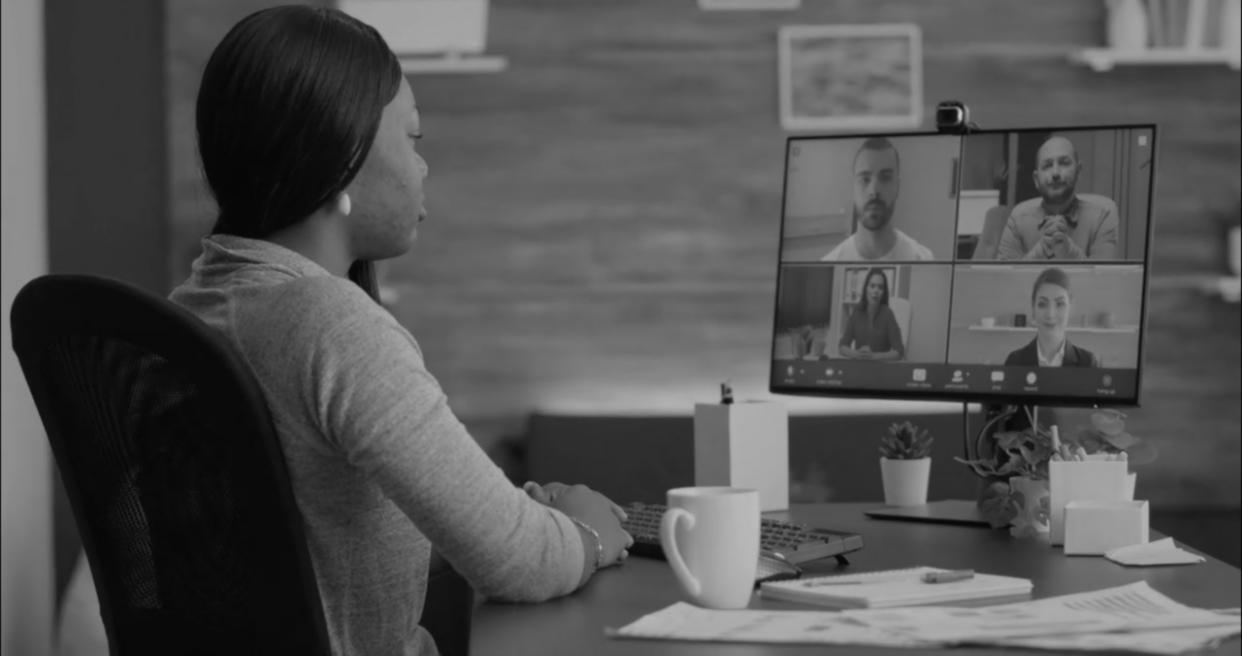
Less time wasted, more time building
The curriculum is structured around what actually sticks — not what looks impressive on a syllabus.
Start with what you can see
Typography and color first. You can evaluate these instantly with your eyes — which builds confidence before moving into layout logic.
Apply concepts the same week
Every topic gets a small project. Not just exercises — something you'd actually finish and show someone.
Feedback before it becomes a habit
We review work while you're still building, not after a month. Catching a layout assumption early takes 10 minutes; unlearning it later takes much longer.
Progress is visible and tracked
You can compare your first project to your fifth. That gap is usually significant — and seeing it matters for staying motivated.

Regular events, open to all students
Besides the main sessions, there are smaller gatherings where you can ask things you'd feel awkward asking in class, or hear how other people solved the same problems.

Portfolio Review Afternoons
Bring something you've made — finished or not. Instructors and peers look at it together. No grades, no pressure to defend your choices.
Learn more
Open Q&A Sessions
Drop in questions about anything — a stuck project, a concept you read somewhere and don't understand, or how something works in the real industry.
Learn more
What students say
Their words are also how we figure out what to improve. Feedback isn't decoration here — it changes things.

I came in with zero background. The group sessions were small enough that I wasn't afraid to ask basic things. By month two I had a page I actually liked looking at.

The one-on-one format suited me because my schedule shifts week to week. The instructor adapted the topics to what I was building — not a generic syllabus. That made a real difference.
Finished a course with us?
Your experience helps future students decide. It also helps us know what's working and what isn't.